
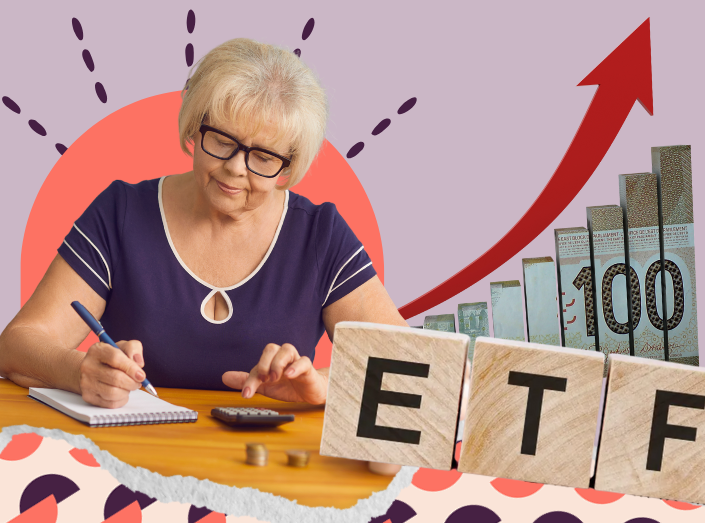

Did you know that many successful long-term investors did not start with large amounts of money? In fact, most people who build meaningful wealth do it slowly, quietly, and consistently. The biggest driver of long-term results is not how much you invest at the beginning, but how regularly you invest over time.
When I first learned this, it completely changed how I thought about investing. I used to believe that investing only makes sense if you can put in big sums. But the truth is: even small monthly amounts can create powerful long-term growth — especially when you use ETFs.
This guide shows you how small, steady contributions can grow into real wealth, why ETFs are perfect for this approach, and how to get started without stress or complexity.
Why small amounts can lead to big results
The most common misunderstanding about investing is the idea that you need a lot of money upfront. What actually matters are three things:
- the time your money stays invested
- the consistency of your contributions
- the effect of compounding over many years
When you invest 50, 100, or 200 CHF every month, your money grows step by step. Over time, you earn returns not only on the money you contributed, but also on the returns your investments already generated. That is compounding.
And the earlier you start, the stronger this effect becomes.
Why ETFs work so well for small monthly investments
ETFs make it easy to invest small amounts because they offer:
- instant diversification
- low ongoing costs
- simple access through savings plans
- clear, transparent structures
With a single global ETF, you can invest in thousands of companies worldwide. That means even a small amount is spread across many markets, countries and sectors.
This reduces risk and increases stability for long-term investors who invest gradually.
The role of an ETF savings plan
One of the most effective ways to build wealth with small amounts is an ETF savings plan.
You choose:
- the ETF
- the monthly amount
- the investment day
And then everything happens automatically. You do not have to worry about timing, when to buy, or whether the market is too high or too low.
This approach builds discipline and helps you stay invested through both good and bad market periods.
What happens during downturns?
Something surprising: market drops are not your enemy when you invest monthly.
If prices fall, your fixed monthly amount buys more ETF shares. When prices rise, you buy fewer. Over time, this leads to a natural cost-averaging effect, which smooths out volatility and helps minimise emotional decisions.
Market fluctuations feel uncomfortable at first, but they are part of the investment journey — and often work in favour of long-term savers.
A simple long-term strategy that works
If you are starting with modest monthly amounts, you do not need a complicated setup. A simple approach is often the most effective:
- Choose a broadly diversified global ETF.
- Invest the same amount every month.
- Do not constantly change your strategy.
- Review your portfolio once or twice a year.
- Stay invested even during downturns.
Most long-term investment success comes from consistency, not complexity.
Conclusion
Building wealth with ETFs does not require large sums. It requires time, patience, and a clear plan. Small monthly investments grow into meaningful assets when you:
- start early
- stay consistent
- keep costs low
- avoid emotional decisions
Begin small. Keep going. Let compounding work for you.
Discover more
-
ETF Investing Made Simple: Best World ETFs for Long Term Wealth
Many people focus only on the TER and miss the costs that really eat into returns. This guide shows you how to spot spreads, broke... -
How to Choose ETFs: What Actually Matters for Long Term Returns
Choosing ETFs in Switzerland does not have to be complicated. Learn the key selection criteria, cost factors and strategy principl... -
ETF vs Mutual Funds: Which Is Better for Long Term Investors?
ETF or mutual fund? Many believe active management must be better. But in the long run, costs, discipline and strategy often matte...