ETF vs ETP Explained (Which Is Better for Swiss Investors?)

Understanding ETF vs ETP in plain English

If you are starting to invest in Switzerland, you have probably seen the terms ETF and ETP everywhere. They look similar and often appear side by side on trading platforms. Many beginners are unsure what the difference is or which one they should choose.

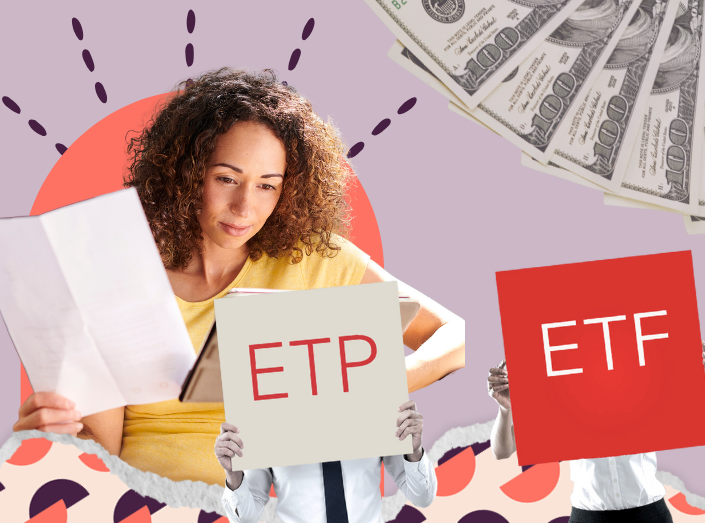
The good news is that the difference is simple once you break it down. ETF is one type of ETP. ETP is the bigger category. Think of ETP as the umbrella and ETF as one of the most popular options under it.

Knowing how they work can help you make better investment choices and build long-term confidence.

What an ETP actually is

An exchange traded product, or ETP, is any investment that trades on the stock exchange and tracks the performance of an underlying asset. This could be a basket of shares, a commodity like gold, a bond index, or even a currency.

ETPs are designed to follow the movements of the market they represent. They are bought and sold throughout the day, just like shares of a company. In Switzerland, you can trade ETPs on the SIX Swiss Exchange using most online banks or investment platforms.

What makes an ETF different

An exchange traded fund, or ETF, is the most common and widely trusted type of ETP. ETFs usually track well-known market indices such as the Swiss Market Index (SMI), S&P 500 or MSCI World.

Investors like ETFs because they offer broad diversification at low cost. A single ETF can hold hundreds or even thousands of companies, spreading your risk across many markets. They are known for transparency, stable structures and clear regulation.

This combination makes ETFs ideal for long-term investing, retirement saving and beginner portfolios.

The main types of ETPs compared to ETFs

All ETFs are ETPs, but not all ETPs qualify as ETFs. Here is how the other ETP types differ:

Exchange Traded Commodities (ETCs)

ETCs give you exposure to commodities like gold, oil or silver. They are useful for diversifying your portfolio but can be more volatile because they depend on specific commodity prices.

Exchange Traded Notes (ETNs)

ETNs are debt instruments issued by a financial institution. They track an index but do not directly hold the assets. This means their safety depends partly on the credit quality of the issuer. These products suit experienced investors rather than beginners.

ETFs, in contrast, hold or physically replicate the assets they track and are generally considered safer and more transparent.

Which is better for Swiss investors?

For most Swiss investors, especially beginners, ETFs are usually the best place to start. They provide straightforward diversification, low fees and a long track record of stability.

ETPs can also be useful, but they require more understanding. Some ETPs focus on narrow markets, specific commodities or complex financial structures. That means higher risk or bigger price swings.

Here is how to decide:

  • Choose ETFs if you want simple, reliable long-term investing.
  • Use other ETPs only if you understand the underlying asset and accept the higher risk.

For many people building Swiss pension savings or investing through Pillar 3a platforms, ETFs are already the standard option.

ETF vs ETP in real Swiss investing

Swiss investors often prefer ETFs because they fit naturally into the local financial landscape. Many Swiss pension providers and digital investment services use globally diversified ETFs in their portfolios.

ETPs such as ETCs or ETNs can still add value, for example if you want exposure to gold or a specific sector. However, they tend to play a smaller role in long-term wealth building because they can be more volatile.

Understanding these differences helps you choose the right mix based on your goals and risk tolerance.

Final thoughts

The difference between ETF and ETP is simpler than it first appears. ETFs are one type of ETP, known for diversification, clarity and low costs. Other ETPs can offer interesting opportunities but often require more knowledge and involve higher risk.

For most Swiss investors, especially those investing for retirement or long-term growth, ETFs remain the most practical and reliable choice.

By learning the basics, you can invest with greater confidence and avoid unnecessary confusion.

Want to understand ETFs and ETPs with simple step by step guidance?

Download our app for more info and explore clear lessons, practical examples and easy tools that help you learn how to invest confidently in Switzerland. Build your financial knowledge at your own pace and make smarter decisions for your future.

👉 Download our app today

Because smart investing starts with understanding the basics.

Upcoming events